
Last Updated: November 24, 2026
Quick Summary
A stone sealer is a penetrating treatment that soaks into porous stone and blocks water and oil from entering the surface, while floor wax sits on top as a sacrificial coating that adds shine and takes the wear instead of the stone. For most stone floors, a sealer is the better long-term choice, with wax reserved for dense, polished stone as a finishing touch.
- An impregnating sealer lines the pores from within and does not form a film on the stone.
- Wax is a coating that wears, scuffs and builds up in layers over time.
- Absorbent limestone, terracotta and sandstone should be sealed, not waxed, because wax can trap moisture.
- A water droplet test shows if a floor is sealed (water beads) or absorbent (water darkens the stone).
- Kingstone covers roughly 10-15 sqm per litre, depending on the porosity of the material.
Table of Contents
- Stone Sealer vs Wax for Floors: The Core Differences
- Side-by-Side Comparison: Protection, Finish and Cost
- Choosing a Stone Floor Sealer by Stone Type and Porosity
- How to Seal a Stone Floor: A Step-by-Step Method
- How to Wax a Stone Floor Without Damaging It
- How to Remove Wax from Stone Floors and Fix Failed Treatments
- Breathability, Slip Resistance and Safety on Sealed or Waxed Stone
- Choosing the Right Kemistone Treatment for Your Floor
- Frequently Asked Questions
Stone Sealer vs Wax for Floors: The Core Differences
A stone sealer is a penetrating treatment that soaks into porous stone and blocks water and oil from entering the surface, while floor wax sits on top as a sacrificial coating that adds shine and takes the wear instead of the stone. That single difference, inside versus on top, decides almost everything else: how long each lasts, what finish you get, and which stones can safely take either.
At Kemistone, we have spent over 30 years in stone restoration, and the sealer vs wax question comes up often. The short answer: for most stone floors, a sealer is the better long-term choice. Wax has a place, but it is a narrower one than the marketing suggests.
Below, we break down how each treatment works, where each one wins, and how to choose by stone type.
How an Impregnating Sealer Works
An impregnating sealer is a liquid that penetrates the pores of natural stone and lines them from within, so water and oil bead on the surface instead of soaking in. It does not form a film. The stone still looks and feels like stone, which is exactly the point.
This matters for two reasons. First, a breathable sealer lets moisture vapour escape, so trapped damp does not push salts to the surface and cause efflorescence. Second, because there is no coating to chip or peel, wear shows far more slowly. Our solvent-based Kingstone is a good example: it gives water and oil repellent protection to marble, limestone and stone composites, and does not change the colour or surface of the stone.
How a Stone Floor Wax Works
Stone floor wax is a solid or liquid product applied in a thin layer on top of the stone, then buffed to a sheen. It adds a warm, decorative finish and a little surface protection, and it can be reapplied quickly with a pad or cloth.
Here is the catch. Wax is a coating, so it wears, scuffs and builds up in layers. On polished marble or slate it can dull the surface or trap dirt in the film.
Side-by-Side Comparison: Protection, Finish and Cost
Here is how the two treatments compare on the factors that actually affect a floor.
| Factor | Stone Sealer | Stone Floor Wax |
|---|---|---|
| Where it sits | Inside the pores | On top as a film |
| Main job | Stain and water repellency | Decorative sheen |
| Finish | Natural, invisible | Warm gloss or pearl |
| Breathability | Breathable options available | Can trap moisture |
| Maintenance | Reapply when beading stops | Regular buffing and stripping |
| Best stone types | Marble, limestone, granite, sandstone | Dense, polished granite and marble |
| Removal | Wears gradually | Needs a wax remover |
| Slip risk | Preserves natural texture | Can become slick when wet |
| Lifecycle cost | Higher upfront, lower annual upkeep | Low per application, high labour over time |
On cost, the honest comparison is not the price on the tin but the cost per year. A sealer is a larger upfront spend that lasts far longer. Wax is cheap per application but needs regular topping up and periodic stripping, and that labour adds up on a commercial floor.
Stone-specific suitability matters. Not all stone takes wax well. Polished marble and dense granite can carry a thin wax coat for extra sheen, but absorbent limestone, terracotta, and sandstone should be sealed, not waxed, because wax can trap moisture and cause efflorescence.
This table and the notes above give you a direct comparison, but the decision also depends on the floor's condition and use. For high-traffic commercial areas, a breathable impregnating sealer is usually the safer long-term choice. For domestic floors where a warm sheen is desired on dense stone, a thin wax top-up can be appropriate, provided you accept the maintenance.
Choosing a Stone Floor Sealer by Stone Type and Porosity
The right sealer depends on how absorbent the stone is, not on what it is called. Porosity is the deciding factor.
- Marble and limestone: medium to high absorption. A water-based, breathable sealer designed for absorbent stone is the safer choice. Our Kingstone Plus was built for exactly this range.
- Granite and quartzite: dense and less absorbent. A solvent-based sealer with strong oil repellency works better here.
- Terracotta and quarry tile: highly porous. These need a sealer formulated for high absorption and a second coat.
- Slate: variable. Test a small patch first, because slate porosity swings widely from tile to tile.
A simple test tells you a lot. Place a few drops of water on the stone and watch. If the water darkens the surface within a minute, the stone is porous and needs sealing. If it beads and sits, the stone is dense.
If you are weighing whether professional-grade sealer is worth the outlay, our guide on whether professional grade stone sealer is worth buying covers the trade-offs in detail.
How to Seal a Stone Floor: A Step-by-Step Method
Sealing is straightforward if the floor is properly prepared. Skip the prep and the sealer will fail, no matter how good the product is.
- Clean thoroughly. Remove all dirt, old coatings and residues. The stone must be dry before sealing.
- Test a patch. Apply a small amount in an inconspicuous area and check the result after drying.
- Apply evenly. Use a pad or roller and work in small sections, keeping the coat thin and even.
- Let it absorb. Allow the sealer to penetrate, then wipe away any excess before it dries.
- Cure fully. Keep traffic off the floor for the full curing time on the label.
Coverage varies with porosity. Kingstone covers roughly 10-15 sqm per litre, depending on the porosity of the material. Watch out: applying sealer to a damp floor traps moisture and can leave a patchy, cloudy finish that is hard to correct.
How to Wax a Stone Floor Without Damaging It
Wax only belongs on stone that can take it, and only as a top-up, not a substitute for sealing. If you do wax, keep it thin and keep it clean.
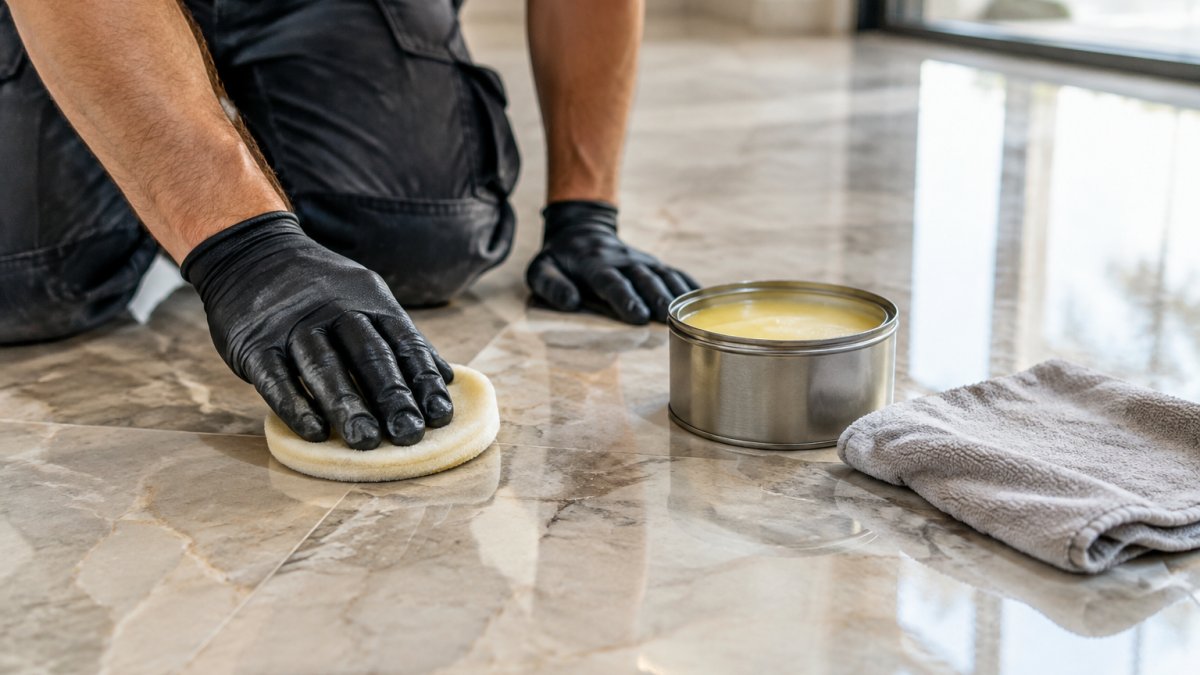
Before you wax, check compatibility. Wax is suitable for dense, polished stone such as granite and polished marble, where it can enhance sheen without sinking in.
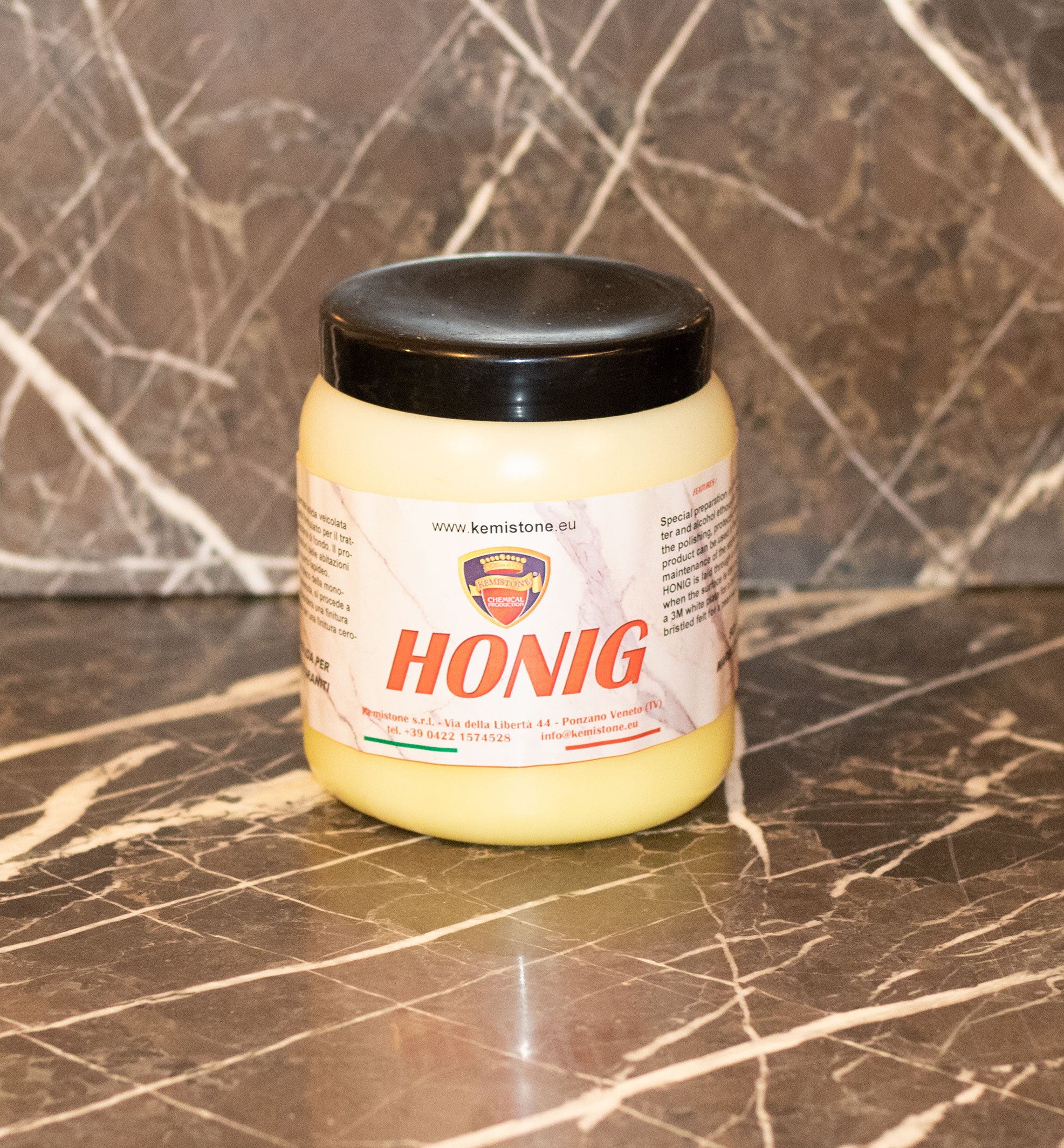
Apply a thin, even layer with a clean pad or cloth. Our solid Honig wax is formulated to protect polish and tone, and can be used on floorings as a finishing and maintenance product.
Watch out: waxed floors can become slippery when wet, especially if wax builds up. On commercial floors or in wet areas, test slip resistance before and after application.
If your floor is limestone, read our step-by-step guide on how to protect limestone floors before you put anything on it. And if you need to remove wax later, our section on removal covers the process.
How to Remove Wax from Stone Floors and Fix Failed Treatments
Wax comes off, but it needs the right product, not brute force. A solvent-based wax remover lifts both natural and metallic waxes without attacking the stone.
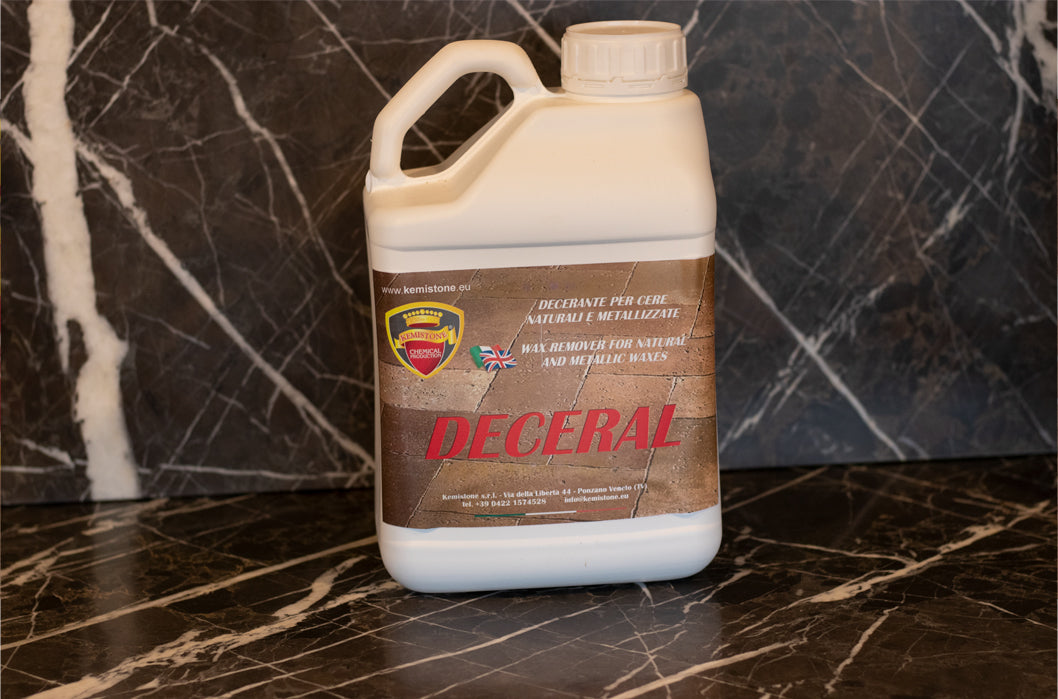
Our Deceral wax remover can be diluted in water and applied without a mask, as it uses a low impact solvent. Work in sections, let the remover soften the wax, then lift it with a pad and rinse thoroughly.
Failed treatments usually trace back to one of three causes: sealing a damp floor, skipping the cleaning stage, or waxing a stone that should have been sealed. Strip the failed coating, let the stone dry completely, and start again with a product matched to the stone's porosity.
Breathability, Slip Resistance and Safety on Sealed or Waxed Stone
Safety is where the sealer versus wax debate gets serious. A waxed floor can become slick when wet, and a build-up of wax makes it worse. On a commercial floor or a bathroom, that is a genuine slip risk.
Sealers behave differently. A penetrating sealer leaves the stone's natural texture intact, so grip is preserved.
Breathability matters too. A breathable sealer lets moisture move through the stone, so damp does not get trapped and push salts to the surface. A wax film can block that movement, and on a floor with any underlying moisture, that is asking for efflorescence and cloudy patches.
Choosing the Right Kemistone Treatment for Your Floor
Our recommendation is simple. Seal porous stone, wax only dense polished stone as a finishing touch, and never use wax as your only line of defence.
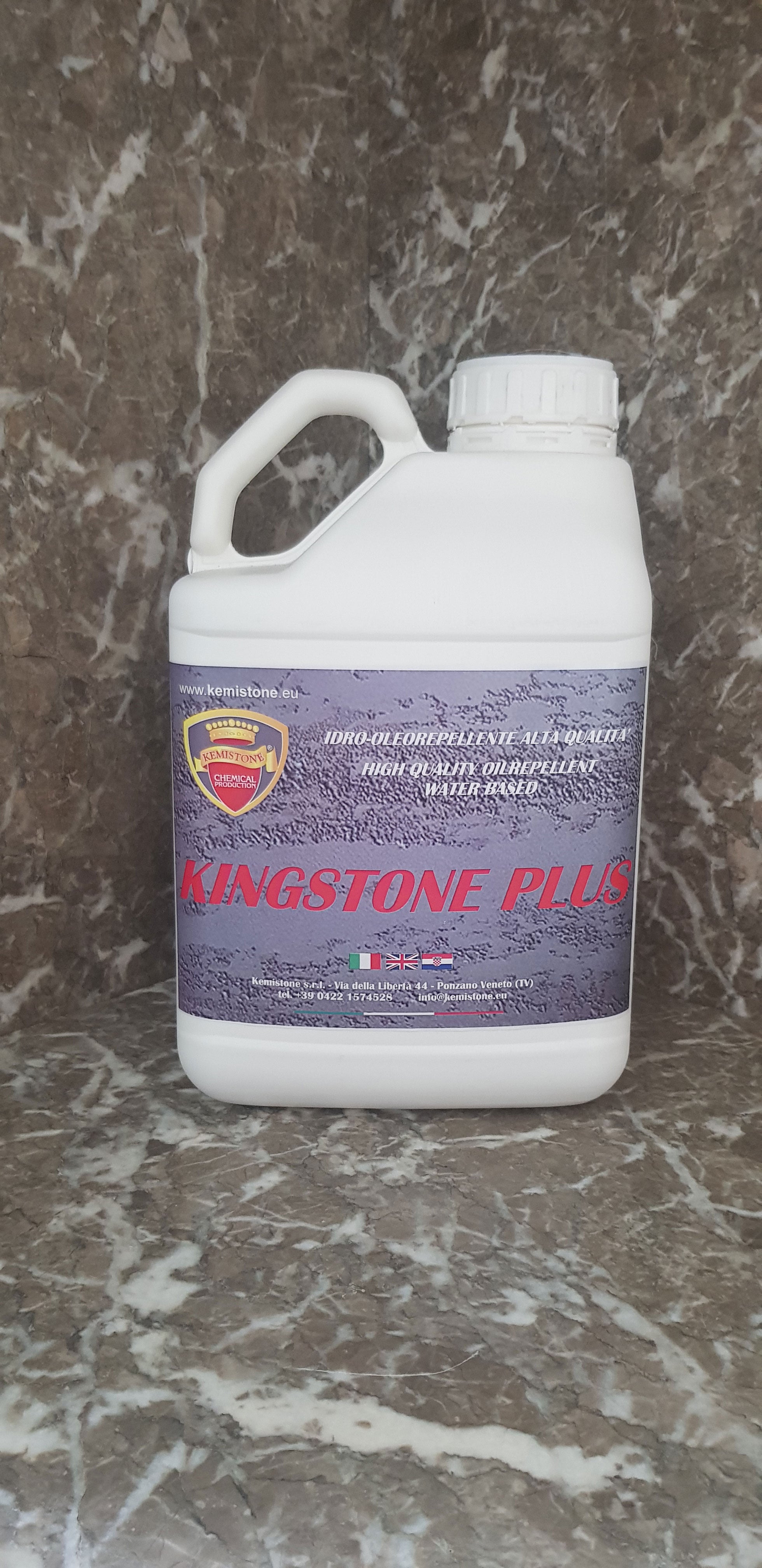
For most floors, start with a sealer matched to porosity. Kingstone can be used on marble, stone, limestone and stone composites, and is invisible when applied. Kingstone Plus is the pick for absorbent stone. Querz can be used on worktops, floors and coatings in quartzite, intrusive and effusive granites, terracotta, and concrete.
If you would rather reseal on a schedule than guess, our practical guide on how to reseal natural stone walks through timing and maintenance.
Choosing the wrong treatment costs more than the product: it costs the strip-down, the redo, and the risk to a floor you cannot replace. Kemistone manufactures professional-grade sealers and waxes to the highest professional quality standards, using the best quality raw materials available. Our range covers water and oil repellent sealers, including options for absorbent stone. Get started with Kemistone and protect your stone with a treatment matched to its porosity.
Frequently Asked Questions
What is the difference between stone sealer and floor wax?
A stone sealer penetrates the pores of the stone and lines them so water and oil cannot soak in, while leaving the surface looking natural. A floor wax sits on top as a film that adds shine and a sacrificial layer of wear. Sealers are the standard choice for porous floors such as limestone and terracotta. Wax suits polished marble and granite where the aim is a warm sheen and easier maintenance, though it needs regular buffing and stripping.
Can you wax a sealed stone floor?
Yes, provided the sealer has fully cured and the wax is compatible with the stone. Sealing first stops wax sinking into porous stone, which makes later removal far easier. Apply a thin coat of wax with a pad, let it dry, then buff with a soft white pad for a shiny finish or a bristled pad for a pearl finish. Never wax over a wet or uncured sealer, and strip old wax before resealing.
Does wax protect stone floors from stains?
Only partly. Wax forms a thin film that resists light soiling and scuffs, but it is not a stain barrier for oil, wine or tannins on porous stone. A dedicated stone sealer is the reliable option for stain protection on limestone, sandstone and terracotta. On polished marble and granite, wax mainly protects the polish and tone rather than blocking absorption, so pair it with a sealer if spills are a risk.
Can floor wax make natural stone slippery?
It can. A heavy wax build-up or a high-gloss buff creates a smooth film that becomes slippery when wet, which is a real concern on marble and polished stone in entrance halls. Keep coats thin, buff off excess, and avoid glossy finishes on floors that see water. If slip resistance matters, choose a matt or pearl finish and check the treated surface when damp before opening the area to traffic.
How do you remove wax from a stone floor?
Use a dedicated wax remover rather than abrasive pads or strong alkaline cleaners, which can dull polished stone. A solvent-based remover such as Deceral can be diluted in water and applied to lift natural and metallic waxes from marble, granite and composites. Work in small sections, agitate, then rinse and extract the residue. Once the floor is dry and free of wax, you can reseal or apply a fresh coat.
